The Local newsletter is your free, daily guide to life in Colorado. For locals, by locals. Sign up today!
When Natalie Lampert awoke to pain on the left side of her abdomen so intense that it made her vomit, she felt immediate déjà vu. It was the same pang she felt eight years earlier at the age of 12, right before she was rushed to the emergency room—right before doctors told her that they’d have to remove her ovary.
Doctors discovered a large cyst on her right ovary and, although benign, the weight of it caused her ovary to twist on itself, otherwise known as an ovarian torsion. Like a kinked hose, the blood flow had been cut off for so long that her ovary had lost function; doctors were forced to remove it.
At age 20, Lampert knew that time was of the essence. She raced to the hospital where the medical staff confirmed her suspicions: She had a cyst on her only remaining ovary, and it was starting to twist beneath the weight.
When Lampert faced this surgery back in middle school, her biggest concern was missing fractions in math class. Now, the young woman was confronting the possibility of infertility.
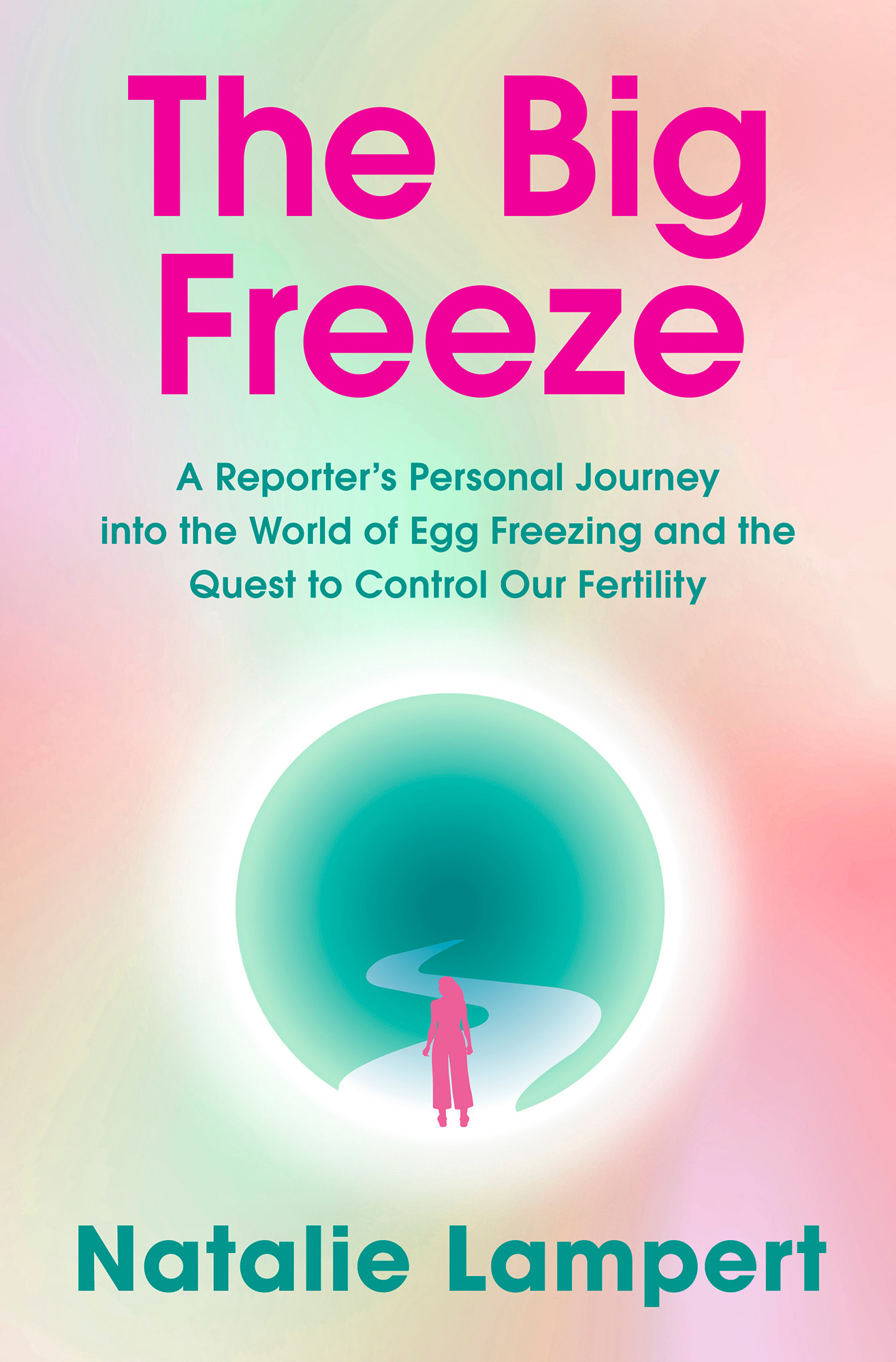
Ultimately, doctors untwisted and saved her left ovary, but they advised Lampert to consider freezing her eggs if she wanted biological children in the future. The harrowing medical emergency sent the budding journalist on a personal—and professional—quest: to uncover everything she could about the world of egg freezing. And hopefully, along the way, her reporting would help her make an informed decision about her own fertility.
Her debut book, The Big Freeze: A Reporter’s Personal Journey Into the World of Egg Freezing and the Quest To Control Our Fertility, which releases on July 16, documents this endeavor and follows several other women attempting to control their fertility using reproductive technology. We sat down with the Boulder-based author to peel back the curtain on America’s femtech industry.
Editor’s note: The following conversation has been edited for length and clarity.
5280: Your book opens with a scene that I think is going to stick with a lot of readers. Talk to me about your first New York City egg-freezing cocktail party.
Natalie Lampert: I’m in my mid-20s. I went to an egg-freezing party at the Crosby Street Hotel, and it was a lot of women in their 30s and early 40s. I was the youngest by at least five years, probably more. I was like, What am I doing here? Because it was like a scene from Sex in the City, just glitzy and glamorous. We’re drinking champagne out of nice glasses, eating popcorn, and listening to these doctors on stage talk about eggs and ovaries and cryostorage. It was just bizarre.
But I remember feeling this sense of belonging, in part because when I looked around, the women seemed to know as little as I did about these basics. It’s like we skipped ahead a ton of years and are learning all these things that we actually never learned in school and sex ed. I remember feeling struck by how eager these women were—on the edge of their seats to learn about this hack to help them have it all.
What were some of the most surprising things you learned about egg freezing while reporting this book?
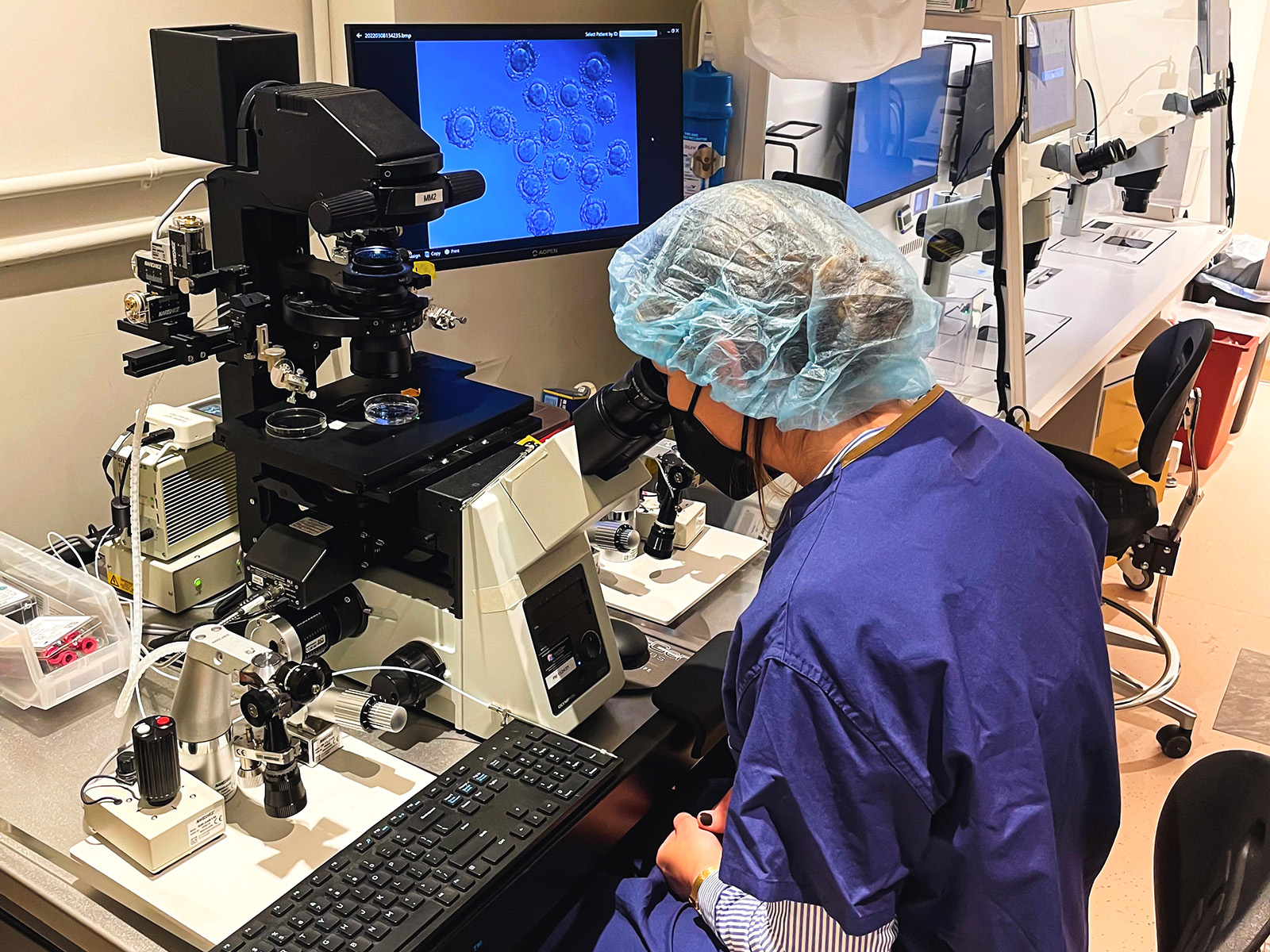
First and foremost was just having a front-row seat to egg freezing’s incredible growth. In 2009, 482 women in the U.S. froze their eggs, and in 2022—the latest data just came out—nearly 23,000 did. That’s more than a 4,000-percent increase. Also interesting to me was that now, and this was not the case even a decade ago, but women under 25 are freezing in droves. It’s very popular with Gen Z women. Another big change that surprised me is the number of employers that now cover it. So many companies do it, from Walmart to Disney to the New York Times to SpaceX, and that’s really influenced more women to do it because it’s incredibly expensive [one cycle costs an average of $10,000 to $15,000].

Some femtech companies seem to market egg freezing as a guaranteed way to preserve your fertility, but in your reporting, you found that it’s far from a guarantee. What did you learn about the success rate of egg freezing?
I remember expecting that if so many women were freezing their eggs, and this was becoming an increasingly popular technology, surely that’s, in part, because it works, and we have the data to say that. We don’t have the data—not yet. And the reason we don’t really have a lot of long-term, reliable data is because more than 90 percent of patients worldwide who have frozen their eggs have not attempted to thaw them.
So if it’s not the promise of biological children that’s drawing these women to the procedure, what is it?
The psychological effects of freezing, even if a woman knows she won’t use those eggs or is aware that it might not work, is still worth it. The peace of mind it offers is incredible for a lot of women. It’s very interesting when we think about what it relieves, in terms of how pressured we are to date and find the person we want to have kids with, how pressured we are to focus on our careers, and how pressured we are thinking about the constant ticktock, ticktock of our ovaries. Freezing gives us a break from that; the research shows that.
Egg freezing, IVF, and women’s reproductive health have been huge topics of conversation since the overturning of Roe v. Wade in June 2022. Did this landmark decision impact your book at all?
The book took on a new significance for me. I’d like to say that it’s always been important for women to be better informed. But I would say now, and especially since Roe v. Wade was overturned, that it’s never been so important for a person with ovaries to understand their body, their options, their reproductive autonomy, and the forces that threaten it.
What do you hope people will take away from your book?
[The egg-freezing industry] is weirdly this troubling intersection of medicine, money, and marketing, which is why the global femtech market is projected to be worth more than $100 billion by 2030. Egg freezing and IVF especially are moneymaking machines, and the marketing follows that. It is very glitzy and empowering, and that’s lovely in some ways. But my hope with the book is that it offers people with ovaries all the information about egg freezing in one place so that they can better sift the science from the hype because I think their marketing does a very bad job of that. The stakes are too high to have such poor and limited information.
Natalie Lampert’s book, The Big Freeze: A Reporter’s Personal Journey into the World of Egg Freezing and the Quest to Control our Fertility, releases on Tuesday, July 16. The author will speak about it and sign copies at the Boulder Bookstore on Wednesday, July 17. Tickets are $5 and can be purchased online.